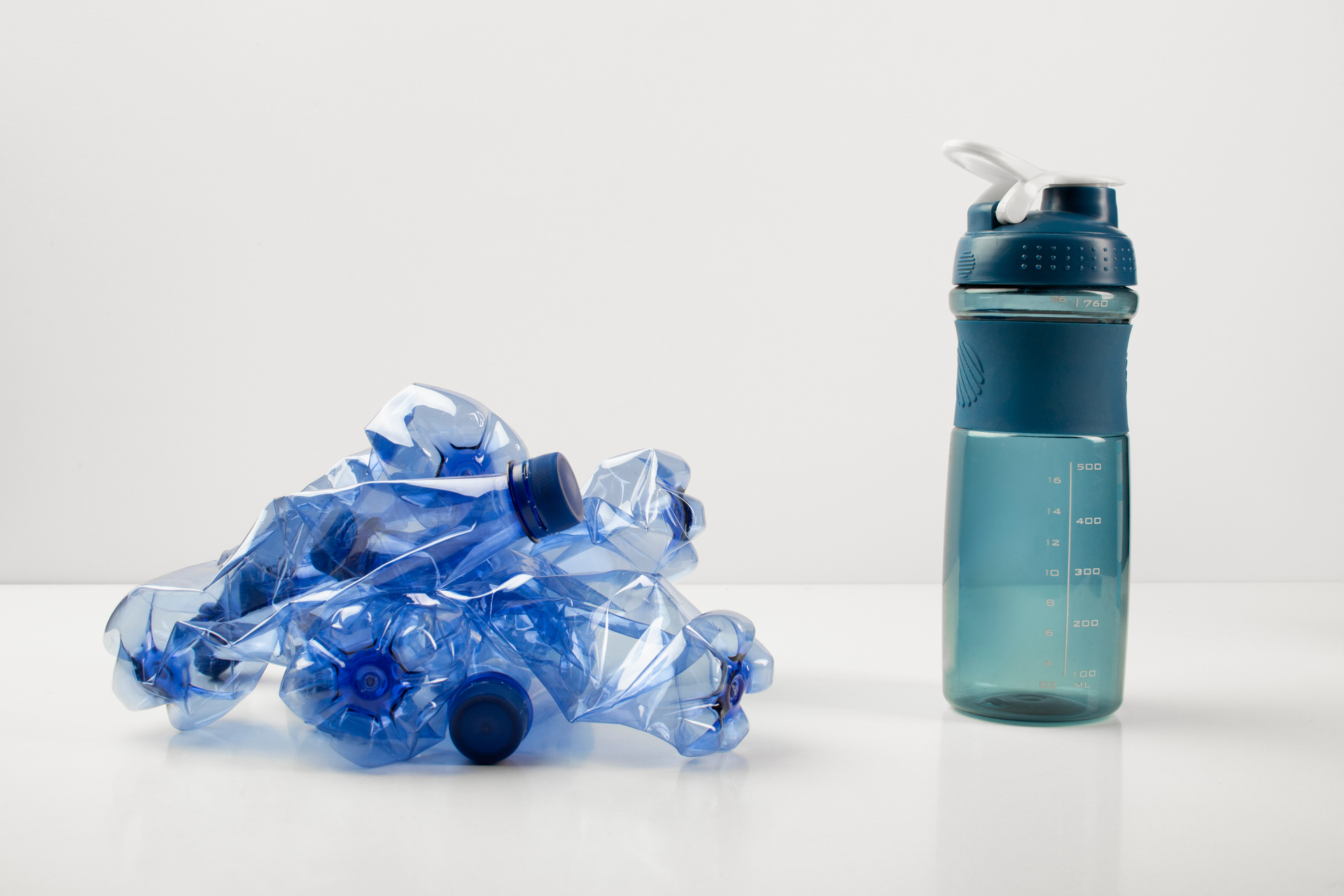
The month of July is also known as "July without plastic". It is an initiative that engages millions of people from all over the world every year in reducing the amount of plastic waste.
Plastics are synthetic materials that were discovered in the 19th century. There is no doubt that they have a number of benefits for society, but at the same time they represent a burden on the environment and can ultimately endanger the health of organisms, including humans.
Excessive consumption of plastics causes various environmental problems. One of the negative impacts of plastics on the environment is their breakdown into microplastics – miniature plastic particles with a diameter of up to 5 mm. Microplastics can contain and absorb toxic chemicals such as heavy metals and persistent (hard-to-degrade) organic compounds, which can have harmful effects on human health.
Here are the main insights into the impact of microplastics on human health:
- Physical damage and inflammation – due to their size, they can penetrate the digestive tract or other tissues and thus trigger inflammatory processes
- Chemical risks – contain various toxic chemicals that can disrupt a person's hormonal balance, which can lead to problems with reproduction, development and immunity.
- Transmission of pathogens and microorganisms - they can serve as carriers of bacteria, viruses and other microorganisms that can be pathogenic to humans.
All the effects of microplastics on humans are not yet clear, this issue is still the subject of research.
- There are 500 times more microplastics floating in the seas than there are in our galaxy of stars,
- plastic waste kills up to a million seabirds every year;
- we eat 5 grams of microplastics a week, it's like eating one credit card,
- 500 million tons of plastic are produced annually in the world, in 2050 there will be more plastic than fish in the oceans,
- the production and incineration of plastics generates 400 million tonnes of CO2 per year
Plastic management is a global problem. However, one thing can be influenced by each of us through our own behavior.
Get involved and try to use at least some of the following recommendations during the month of plastic-free:
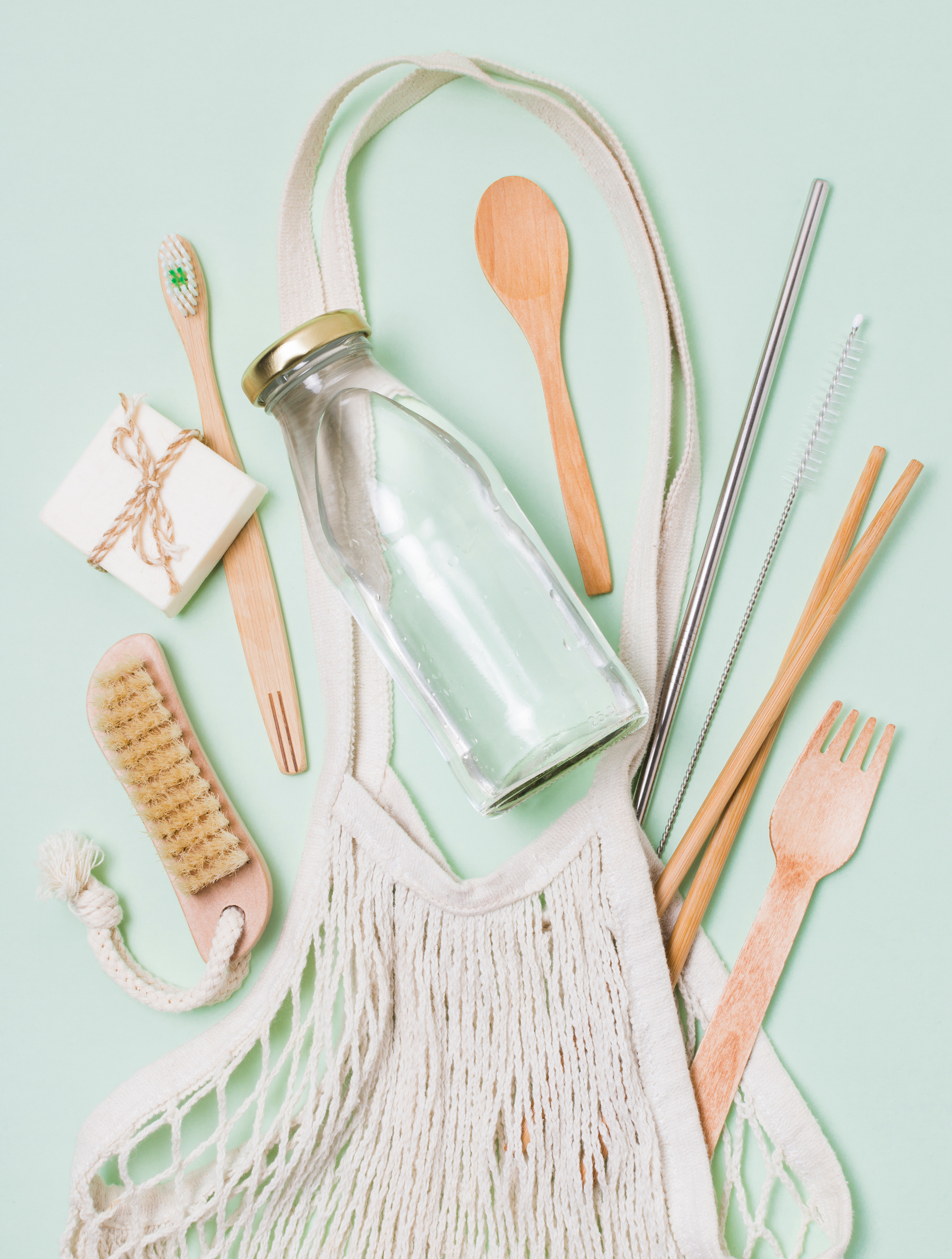
- always have a reusable bottle with you
- Let's carry textile bags
- Use your own cutlery and food jar
- Let's replace plastic with waxed packaging
- Let's reach for packaging made of natural or recycled materials
- Instead of coffee in capsules and tea in bags, we prefer loose coffee/tea
- Cleaning and laundry detergents should be tapped into our own bottles when buying
- Let's not use disposable products